360degree angle-down arrowdown arrowdownlight arrowleft arrowleftlight arrowright arrowrightlight arrow_top arrowup arrowuplight check circle circlefull close GlobalNetwork data down external facebook facts filter Group_Outline group hamburger_close hamburger head_with_aircraft instagram left linkedin Manufacturing MarketLeader minus person plane plus right Save-Savings search InterestRate Stellplatz-Rad stock ComponentRepair twitter up xing youtube

Brush seals: Aircraft Engines

Standard in next-generation aircraft engines

MTU brush seals find homes mainly in aircraft engines. They have indeed proved their worth in operation, having accumulated well over 7.5 million running cycles in advanced aircraft engines as:

  •     shaft seals
  •    static seal members
  •    bearing chambers or rotor wheel seals

Our long-standing experience enables us to provide custom-tailored solutions for all aircraft engine applications and for almost every area of the engine.

MTU’s innovative seals have also found a home in Pratt & Whitney’s next-generation geared turbofan engines. All PurePower PW1000G family engines come equipped with brush seals made by MTU. The PW110G-JM engine to power the Airbus A320neo alone will incorporate MTU’s seals at four locations. Compared with labyrinth seals, MTU’s brush seals have halved cooling air losses at all installation positions in the engine, which results in:

  • enhanced efficiency
  • reduced fuel burn
  • reduced CO2 emissions
  • more compact design

MTU brush seals as semi-static seals
One innovation developed by the MTU experts is the semi-static brush seal. In this field of application, MTU brush seals are used to seal off non-rotating parts of a machine in operation by compensating movements of several millimeters and high differential pressures in a mostly hot environment of up to 700 degrees Celsius.
MTU brush seals are used on the following engines:

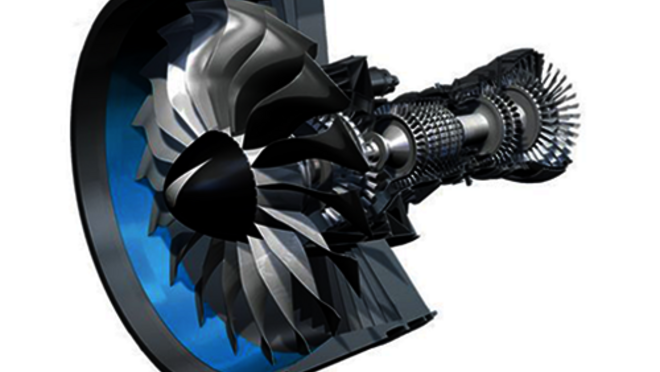
GTF engine

Powering the Airbus A320neo family, Airbus A220 and the Embraer E-Jets

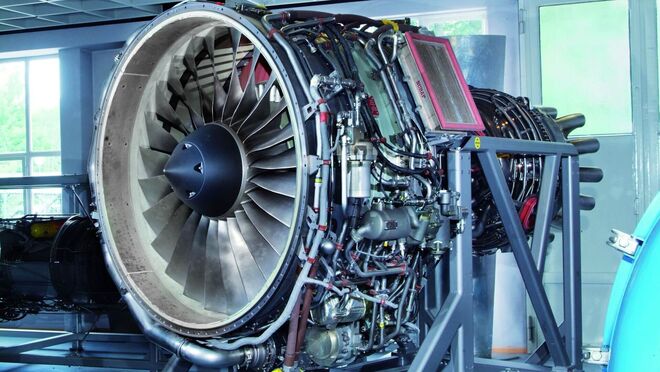
PW6000

The main features of the PW6000 are its high efficiency and simple design. Intended for use on short-haul routes, the engine powers the Airbus A318.

RB199

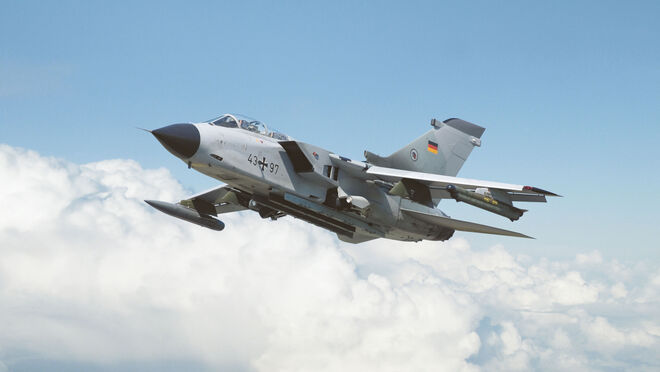
In collaboration with Rolls-Royce and Avio Aero, MTU began developing and producing the RB199 in 1969 to power the Panavia Tornado multirole fighter jet. During the 1970s and 1980s, the Panavia Tornado was Europe’s largest and most successful military aircraft program.

EJ200

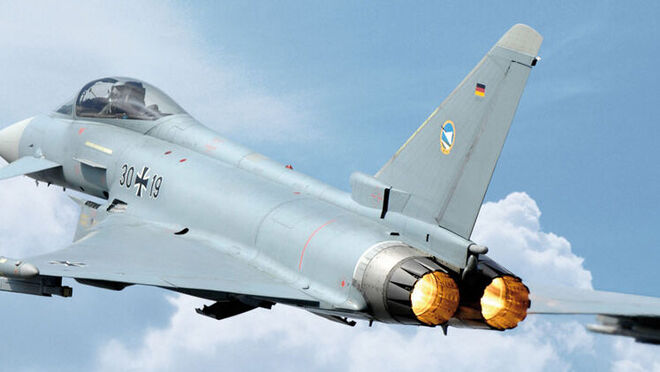
Powering the Eurofighter Typhoon

You may also be interested in:

AEROREPORT

People

A flight test engineer works very close to the engine

Senior Flight Test Engineer Tarun Sondhi works at Airbus’s flight test center in Toulouse. Here he talks about his daily routine.

Read more
AEROREPORT

People

MTU’s engine makers

MTU’s engine makers each bring their own important contribution to the product. AEROREPORT spent a day with ten of them at the Munich site.

Read more